
Buyer's Desk
How Long Do Refurbished CT Scanners Last? Lifespan, Maintenance & What to Expect
April 10, 2026 · 6 min · Medical Imaging Specialists
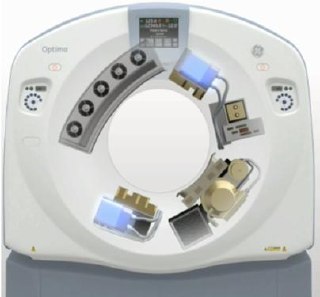
Practical considerations, risk points, and what to ask before you buy, service, move, or maintain imaging equipment.
If you’re considering a refurbished CT scanner for your facility, one of the first questions on your mind is likely: How long will it actually last? It’s a fair question — and the answer may be more encouraging than you expect.
A well-maintained refurbished CT scanner can deliver reliable clinical performance for 7 to 15+ years beyond its refurbishment date, depending on the model, workload, and how seriously you invest in ongoing maintenance. In this guide, we’ll break down the factors that determine CT scanner lifespan, the warning signs of end-of-life, and what you can do to get the most out of your investment.
Understanding CT Scanner Lifespan: OEM vs. Real-World
Original equipment manufacturers (OEMs) like GE, Siemens, and Philips typically design CT systems with a useful life of 10 to 15 years. But “useful life” is an engineering estimate — not a hard expiration date. In practice, many CT scanners operate well beyond that window, especially when they’ve been professionally refurbished and properly maintained.
A refurbished CT scanner isn’t simply a used system that’s been wiped down and resold. A reputable refurbisher will replace worn components — X-ray tubes, detectors, power supplies, slip rings, and more — bringing the system back to OEM performance specifications. This process effectively resets the clock on many of the most failure-prone parts of the scanner.
The key takeaway: a refurbished CT scanner from a trusted vendor often has a comparable remaining useful life to a system that’s only a few years old.
What Determines How Long a Refurbished CT Scanner Lasts?
Several factors influence the operational lifespan of any CT system, refurbished or new.
1. The Quality of the Refurbishment
Not all refurbishments are equal. A thorough refurbishment should include:
- X-ray tube replacement or certification with documented remaining tube life
- Detector calibration and testing to ensure image quality meets OEM specs
- Gantry and mechanical inspection, including slip ring, bearings, and cooling systems
- Full software update to the latest available version for that platform
- Cosmetic restoration of the patient table, covers, and operator console
Ask your vendor for a detailed refurbishment checklist. If they can’t produce one, that’s a red flag.
2. Scan Volume and Workload
A CT scanner in a busy urban hospital running 40+ scans per day will accumulate wear faster than one in a small outpatient imaging center averaging 10 to 15 scans daily. Higher scan volumes accelerate tube wear, increase mechanical stress on the gantry, and put more hours on cooling systems.
If your facility runs a moderate volume — say, 15 to 25 scans per day — a refurbished system can easily last a decade or more with routine upkeep.
3. Preventive Maintenance (PM) Consistency
This is the single biggest factor under your control. Regular preventive maintenance — typically quarterly for CT systems — catches small issues before they become catastrophic failures. A solid PM program should include:
- Tube output and calibration checks
- Cooling system inspection and fluid replacement
- Gantry alignment verification
- Software diagnostics and error log review
- High-voltage cable and power supply testing
Skipping or delaying PMs is the fastest way to shorten your scanner’s life. Facilities that maintain a strict PM schedule consistently get more years out of their equipment.
4. Parts Availability for the Platform
Even a mechanically sound scanner becomes a liability if replacement parts are no longer available. Before purchasing any refurbished CT, research the parts ecosystem for that model:
- GE LightSpeed and Revolution series — Parts remain widely available and competitively priced, making these some of the most cost-effective platforms to own long-term.
- Siemens SOMATOM Definition and Emotion series — Strong parts availability, though some proprietary components can carry longer lead times.
- Philips Brilliance and Ingenuity series — Generally available, but certain detector and electronics components can be harder to source as models age.
A system with a robust aftermarket parts supply can remain operational years longer than one with scarce or OEM-only parts.
5. Environmental and Facility Conditions
CT scanners are sensitive to their environment. Consistent temperature (65–75°F), controlled humidity, clean power with proper UPS protection, and adequate room ventilation all contribute to longer system life. Facilities in regions with unstable power grids, extreme heat, or high humidity should invest in environmental controls — the cost is minimal compared to premature component failure.
Warning Signs Your CT Scanner Is Approaching End of Life
Even well-maintained systems eventually reach a point of diminishing returns. Watch for these indicators:
- Increasing downtime frequency — If you’re calling for service every few weeks, the system may be past its economically useful life.
- Recurring tube failures — Multiple tube replacements in a short period can signal broader high-voltage or cooling system degradation.
- Image quality degradation that calibration can no longer correct — This may indicate detector aging or data acquisition system (DAS) issues.
- Software obsolescence — If the platform can no longer receive updates and doesn’t support current clinical protocols, it may be time to upgrade.
- Parts becoming difficult or expensive to source — When lead times stretch to weeks and prices spike, the total cost of ownership shifts unfavorably.
How to Maximize the Lifespan of Your Refurbished CT Scanner
Getting the most years out of your investment comes down to a few practical strategies:
Choose the right vendor. Work with a refurbisher that provides detailed documentation, warranties, and post-sale service support. Ask about their refurbishment process, parts sourcing, and service team qualifications.
Invest in a service contract. Whether full-service, preventive maintenance-only, or time-and-materials, having a service partner ensures your system gets consistent professional attention. Full-service contracts that include parts and tubes offer the most predictable budgeting and fastest response times.
Train your operators. Proper daily startup/shutdown procedures, correct patient positioning, and protocol optimization reduce unnecessary wear on the tube and mechanical systems.
Monitor tube life proactively. Don’t wait for a tube to fail. Track scan seconds and heat units, and plan replacements before they become emergencies. A planned tube swap during a scheduled maintenance window costs far less in downtime than an unexpected failure on a Monday morning.
Keep your facility environment controlled. Stable power, temperature, and humidity protect every component in the system. A $5,000 investment in proper HVAC and UPS can save $50,000 in premature repairs.
The Bottom Line: Refurbished CT Scanners Are Built to Last
A refurbished CT scanner from a reputable vendor isn’t a short-term stopgap — it’s a long-term clinical asset. With the right model selection, thorough refurbishment, consistent maintenance, and reliable parts access, these systems routinely deliver 7 to 15 years of productive service after refurbishment.
The key is working with a partner who understands not just the sale, but the full lifecycle of the equipment.
Ready to Find the Right Refurbished CT Scanner?
Medical Imaging Specialists has been buying, refurbishing, and supporting CT, MRI, and PET/CT systems since 2004. Based in Bradenton, Florida, we provide full-service support including parts, service contracts, installation, and ongoing maintenance to facilities across the United States, Caribbean, and Latin America.
Whether you’re looking for your first refurbished CT scanner or planning to replace an aging system, our team can help you find the right fit for your clinical needs and budget. Contact Medical Imaging Specialists today to start the conversation.
Related Reading
- Read next: Ct Mri Preventive Maintenance Checklist
- Read next: Refurbished Imaging Equipment Parts Availability
Need help with this exact problem?
Send the modality, site location, timeline, and any system details. MIS will route the request by intent.
Related resources
Buyer's Desk
What Affects Used Medical Imaging Equipment Resale Value?
Used imaging equipment resale value depends on model, condition, records, accessories, demand, supportability, and removal complexity.
Buyer's Desk
What Questions Should You Ask Before Buying a Used MRI?
Before buying a used MRI, ask these equipment, service, site, logistics, parts, and quote questions to avoid expensive surprises.
Buyer's Desk
What to Look for When Buying a Used CT Scanner
Buying a used CT scanner? Check tube life, service history, parts support, site fit, software, installation scope, and post-sale service.