
Ops Playbook
What Really Happens When You Move a CT Scanner or MRI: A Complete De-Install, Shipping & Installation Guide
April 2, 2026 · 7 min · Medical Imaging Specialists
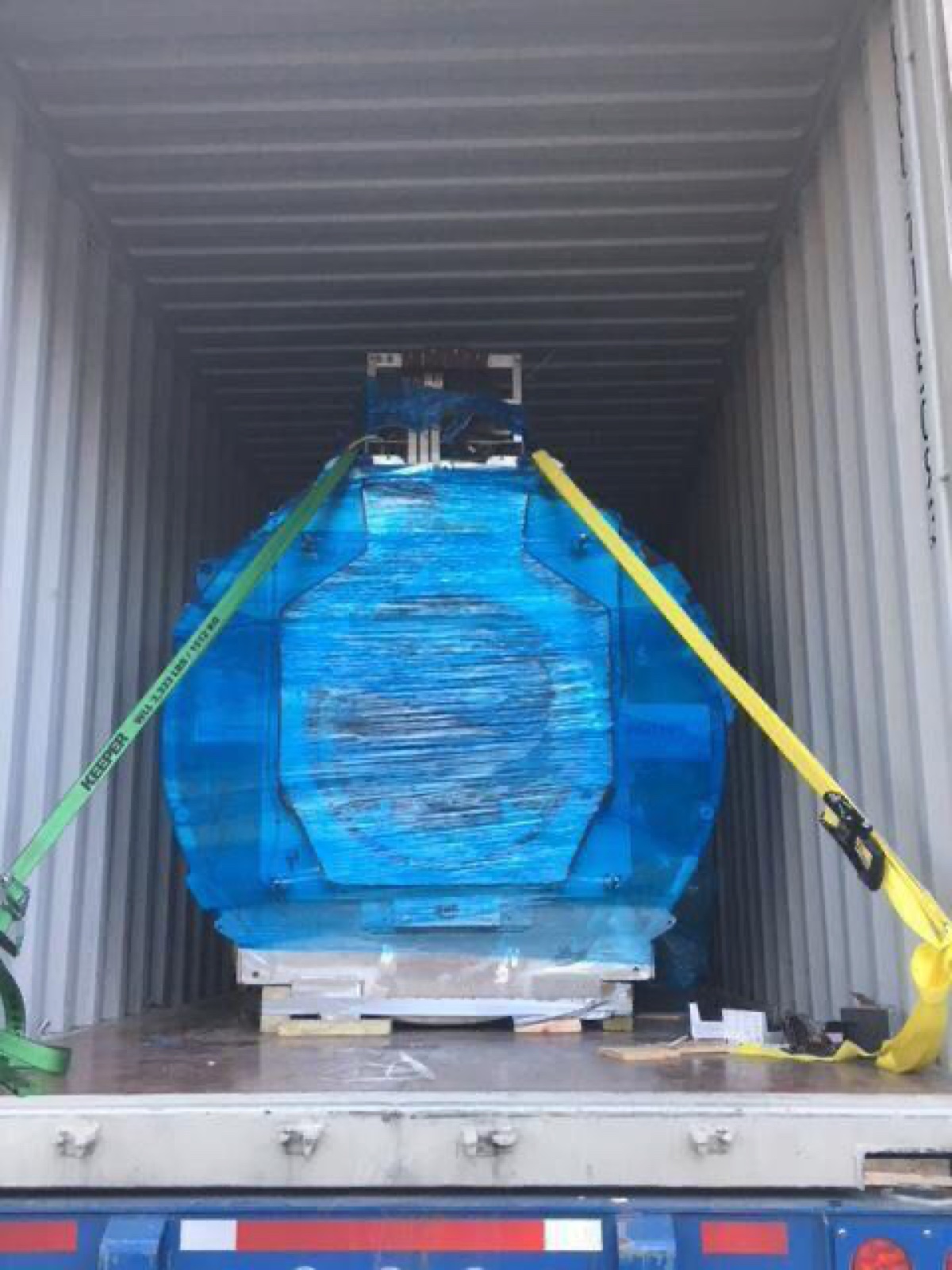
Practical considerations, risk points, and what to ask before you buy, service, move, or maintain imaging equipment.
Target Keyword Phrase: medical imaging equipment de-installation and installation
Buying a refurbished CT scanner or MRI system is only half the battle. Getting it safely out of the seller’s facility, into a crate, onto a truck, across the country (or across an ocean), and back into operation at your site is the other half — and it’s where deals can go sideways fast.
Whether you’re buying your first refurbished system or your tenth, understanding the full logistics chain will save you time, money, and a lot of headaches. This guide breaks down what’s actually involved at each stage, what to watch out for, and how to make sure your acquisition doesn’t turn into a nightmare.
Why Logistics Are Often the Biggest Hidden Cost
Most buyers focus on the sticker price of the equipment. Smart buyers factor in the full landed cost: de-installation, crating, freight, customs (for international moves), rigging, site prep, and installation. Depending on the system and the distance involved, logistics can add $30,000 to $100,000+ to the total cost of a complex imaging system.
That’s not a reason to walk away from a deal — it’s a reason to plan carefully and work with vendors who have experience moving these systems.
Stage 1: De-Installation
De-installation is the process of safely removing a system from its current site. This isn’t a job for a general moving company. Medical imaging equipment is precision machinery — sensitive to vibration, shock, temperature changes, and improper handling.
What a proper de-installation involves:
- Application engineer or OEM-trained tech on-site. Someone who knows the system needs to oversee the process. For MRI systems, this is non-negotiable — improperly ramping down a superconducting magnet can damage it permanently or, in worst cases, cause a quench.
- Proper documentation. Serial numbers, system software version, configuration details, and photos of the site setup before anything is disconnected. This documentation matters when the system arrives at your facility and the installation team needs to put it back together.
- MRI-specific considerations. Superconducting MRI systems must be ramped down (de-energized) before de-installation. This is a specialized, time-sensitive process that requires a cryogen management plan. Moving a “cold” magnet (still energized) is possible in some cases but expensive and high-risk.
- Gantry protection. CT and PET/CT gantries are heavy, fragile, and not designed to be tipped or tilted beyond certain tolerances. Proper rigging and padded transport within the facility is essential before anything hits a truck.
Stage 2: Crating and Packing
Once a system is de-installed, it needs to be properly packaged for transit. There’s a significant difference between “wrapped in moving blankets” and properly engineered crating — and it matters a lot for a $500,000 piece of equipment.
What to expect from professional crating:
- Custom-built wooden crates engineered for the specific system dimensions and weight.
- Shock-absorbing foam or vibration isolators inside the crate, particularly for detector arrays and electronics cabinets.
- Humidity and temperature control indicators — some shippers include data loggers so you can verify the environment the equipment traveled through.
- Separate crating for sensitive components. Detector arrays, operator consoles, and high-voltage components are often crated separately from the gantry.
Skimping on crating is one of the most common ways deals go wrong. A detector assembly that shifts in transit can cost as much to replace as it cost to save on crating.
Stage 3: Freight and Logistics
Domestic freight for large medical imaging equipment typically involves flatbed trucking or specialized enclosed heavy-haul carriers. International shipments add a layer of complexity with customs clearance, export documentation, and country-specific import requirements.
Key logistics considerations:
- Liftgate vs. loading dock. Confirm the delivery site has a dock or factor in a crane and rigging team for offloading.
- Route planning. Some facilities have narrow corridors, low ceilings, or limited elevator capacity. This should be assessed before the truck leaves the seller’s facility, not after.
- International shipments. MRI and CT systems require accurate harmonized tariff codes (HTS codes) for customs clearance. Errors here cause customs holds that can delay installation by weeks. For LATAM and Caribbean destinations, import permits and local regulatory compliance may also be required.
- Insurance. Confirm that the equipment is insured for full replacement value during transit. Standard freight insurance often has exclusions or per-pound limits that vastly undervalue medical imaging equipment.
Stage 4: Site Preparation
This step happens in parallel with the logistics chain, but it’s worth calling out explicitly because installation cannot happen without a ready site — and a site that isn’t ready when the system arrives is expensive.
Typical site prep requirements:
- Floor loading capacity. CT gantries and MRI magnets are extremely heavy. A 3T MRI system can weigh over 10,000 lbs. The floor must be engineered to support it.
- Electrical infrastructure. Medical imaging systems require dedicated circuits, specific voltages (often 480V 3-phase for CT), and clean power. This work must be done ahead of delivery.
- RF shielding (MRI). MRI rooms require a Faraday cage — a copper or aluminum RF shield built into the walls, ceiling, and floor. This is a construction project, and it needs to be complete before the magnet arrives.
- HVAC and cooling. CT and MRI systems generate significant heat. Chilled water lines, dedicated air handling units, and proper cooling capacity are required.
- Door and corridor clearance. Most gantries won’t fit through a standard door. This often means removing door frames, widening corridors, or planning a “first in” installation strategy where the system goes in before walls are finished.
Stage 5: Installation and Commissioning
Once the system is on-site and the room is ready, the installation team takes over. For a refurbished system, this is typically performed by OEM-trained or OEM-certified engineers.
What installation involves:
- Physical assembly and positioning of the gantry, table, and console.
- Electrical connections and systems checks.
- Software loading and configuration — this is where having complete documentation from the de-installation pays off.
- MRI magnet ramping and shimming — for superconducting systems, the magnet must be energized (ramped up) and then shimmed for field homogeneity.
- Phantom testing and acceptance testing. The system is tested with calibration phantoms to verify image quality meets specifications before it’s cleared for clinical use.
- Regulatory and compliance documentation. In many states and countries, medical imaging equipment requires radiation survey reports (for CT), regulatory filings, and sign-off before clinical use.
Common Mistakes That Derail Installations
- Assuming the site is ready when it isn’t — delays cost thousands per day in rescheduled engineer time.
- Underestimating rigging complexity at the receiving site.
- Not verifying software version compatibility between the system and the facility’s PACS.
- Skipping the liftgate or crane at delivery, then improvising.
- Buying internationally without confirming import permits upfront.
Work With a Vendor Who Manages the Whole Chain
The cleanest transactions happen when one experienced party manages the full process — de-installation, crating, freight, site coordination, and installation. Fragmented handoffs between multiple vendors create accountability gaps, and those gaps tend to be expensive.
At Medical Imaging Specialists, we’ve been coordinating CT, PET/CT, and MRI relocations since 2004, including domestic US, Caribbean, and LATAM installations. We manage or coordinate the full chain — from our engineers supervising de-installation to helping buyers think through site readiness before a system ships.
If you’re planning an acquisition and want to make sure the logistics are handled right, reach out to our team. We’re happy to walk through what your specific project involves before you commit to anything.
Contact Medical Imaging Specialists: www.medicalimaging.com | info@medicalimaging.com | 1-800-958-0114
Medical Imaging Specialists is a family-owned medical imaging equipment company based in Bradenton, Florida. Founded in 2004, we buy, refurbish, and resell CT, MRI, and PET/CT systems and provide full service support to clients across the US, Caribbean, and Latin America.
Related Reading
Talk Through Your Next Imaging Project
If you are evaluating refurbished imaging equipment, planning a service strategy, or trying to keep an aging scanner productive, Medical Imaging Specialists can help. Contact MIS through the website and tell us what system you are working with.
Need help with this exact problem?
Send the modality, site location, timeline, and any system details. MIS will route the request by intent.
Related resources
Ops Playbook
Emergency CT Scanner Repair: What to Do When It Fails
CT scanner down? Use this emergency repair checklist to document the fault, protect workflow, and route service or parts faster.
Ops Playbook
PET/CT Scanner Site Requirements Before You Buy
Before buying a PET/CT scanner, review room layout, shielding, power, HVAC, rigging, workflow, connectivity, service access, and replacement timing.
Ops Playbook
X-Ray Equipment Lifespan, Maintenance, and Cost Factors
X-ray equipment lifespan depends on tube, detector, generator, software, PM history, parts access, uptime needs, and replacement timing.