
Ops Playbook
Why Preventive Maintenance Prevents Most Imaging Equipment Failures
April 28, 2026 · 3 min · Medical Imaging Specialists
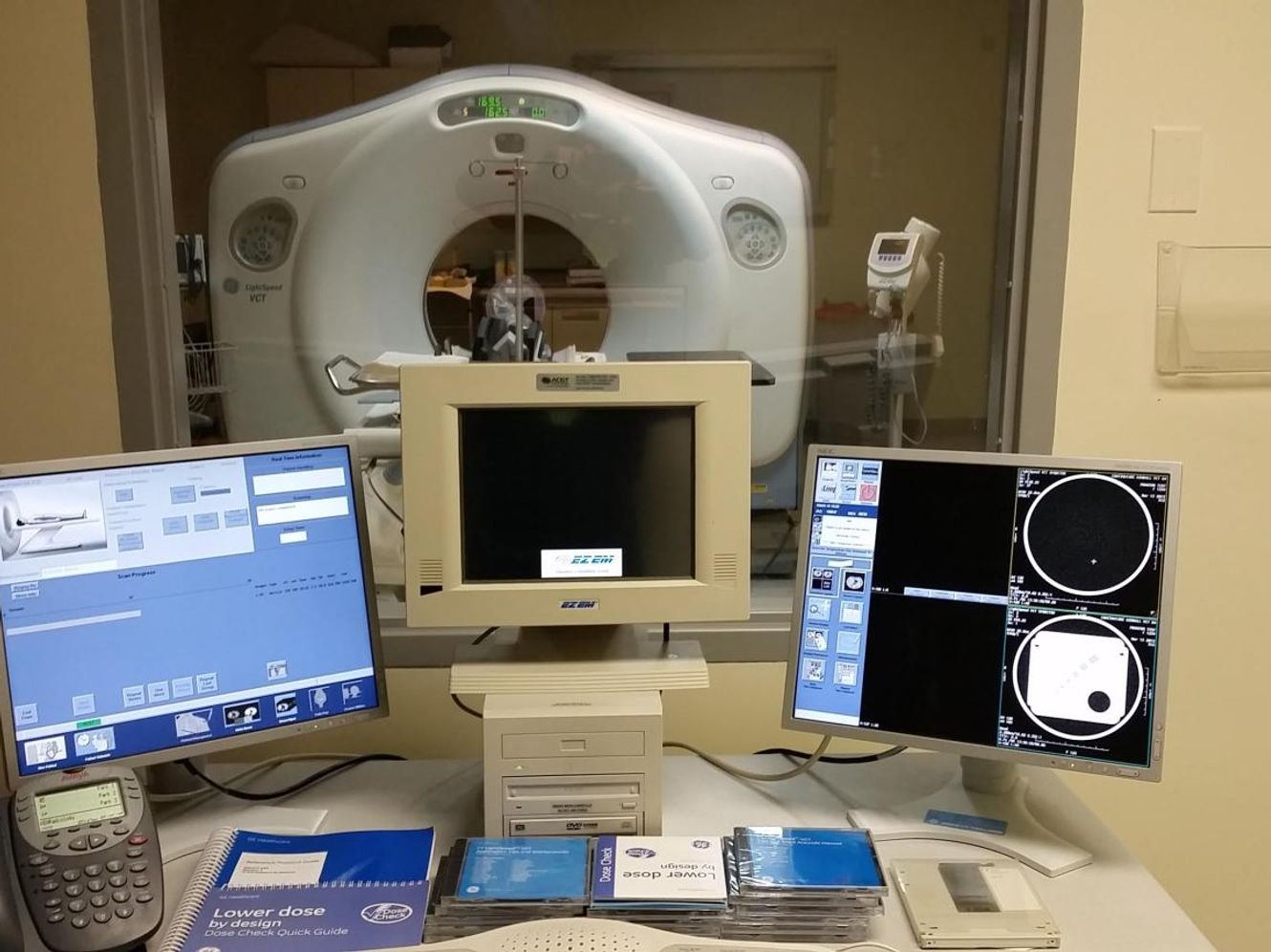
Practical considerations, risk points, and what to ask before you buy, service, move, or maintain imaging equipment.
A large share of imaging equipment failures is preventable with a real preventive maintenance program. Not a checklist signed after a quick look. A real PM program.
That difference matters. The facilities that rarely call in a panic are usually not lucky. They are disciplined. They keep quarterly PMs on the calendar, document recurring issues, and fix small problems before they turn into cancelled patient days.
PM Is Not Just Cleaning and Calibration
Preventive maintenance is the structured process of finding stress before it becomes failure. On CT and MRI systems, that includes mechanical checks, cooling performance, error logs, high-voltage components, image quality testing, software diagnostics, environmental review, and operator feedback.
A good engineer is not only asking, “Does it pass today?” They are asking, “What is starting to drift?”
That is where avoidable failures are caught: a cooling issue before a tube overheats, a fan before a board cooks, a warning code before a full shutdown, a table movement problem before it becomes a patient scheduling issue.
Skipped PMs Become Emergency Calls
It is easy to delay maintenance when the scanner is busy. The schedule is full, the department is short-staffed, and nobody wants to block clinical time for a system that appears to be working.
But imaging equipment does not reward delay. Heat, vibration, power quality, scan volume, humidity, and component age keep accumulating whether maintenance is convenient or not.
Skipping one PM may not cause a failure next week. Skipping PMs as a habit changes the reliability profile of the entire system.
What a Strong PM Program Should Include
For CT and MRI systems, a useful preventive maintenance program should include:
- Scheduled quarterly or manufacturer-recommended visits.
- Image quality verification and calibration checks.
- Cooling, airflow, and environmental inspection.
- Error log review and trend documentation.
- Mechanical and table movement inspection.
- High-risk component review based on system age and workload.
- Clear service reports that explain what was found, not just what was checked.
The service report matters. It gives administrators and facility managers a record they can use for budgeting, compliance, and replacement planning.
PM Creates Better Capital Decisions
Preventive maintenance also gives leadership better data. A clean service history shows whether a system is healthy, declining, or approaching the point where repair dollars would be better spent toward replacement. Without that record, every decision feels reactive.
A scanner with documented PMs, stable image quality, predictable tube life, and available parts may have years of useful service left. A scanner with skipped maintenance, repeat faults, poor documentation, and long parts lead times may be costing more than it appears. PM does not just keep the system running. It gives administrators the evidence they need to budget intelligently.
The Best Emergency Call Is the One You Never Make
Emergency service will always be part of medical imaging. Components fail. Power events happen. Workloads change. But the goal is to make emergencies rare, not routine. A disciplined PM program turns maintenance from a disruption into insurance against much larger disruptions later. In a busy imaging department, reliability is built in small scheduled windows long before anyone notices the benefit. That quiet consistency is exactly what keeps a scanner from becoming the department’s daily risk.
Related Reading
Build a PM Program Before the Panic Call
If your CT, MRI, or PET/CT service history is reactive instead of planned, Medical Imaging Specialists can help you build a preventive maintenance approach that fits your equipment and workload. Contact MIS through the website and tell us what systems you need covered.
Need help with this exact problem?
Send the modality, site location, timeline, and any system details. MIS will route the request by intent.
Related resources
Ops Playbook
Emergency CT Scanner Repair: What to Do When It Fails
CT scanner down? Use this emergency repair checklist to document the fault, protect workflow, and route service or parts faster.
Ops Playbook
PET/CT Scanner Site Requirements Before You Buy
Before buying a PET/CT scanner, review room layout, shielding, power, HVAC, rigging, workflow, connectivity, service access, and replacement timing.
Ops Playbook
X-Ray Equipment Lifespan, Maintenance, and Cost Factors
X-ray equipment lifespan depends on tube, detector, generator, software, PM history, parts access, uptime needs, and replacement timing.