
Buyer's Desk
X-Ray Equipment for Sale: New, Used, or Refurbished?
May 5, 2026 · 6 min · Medical Imaging Specialists
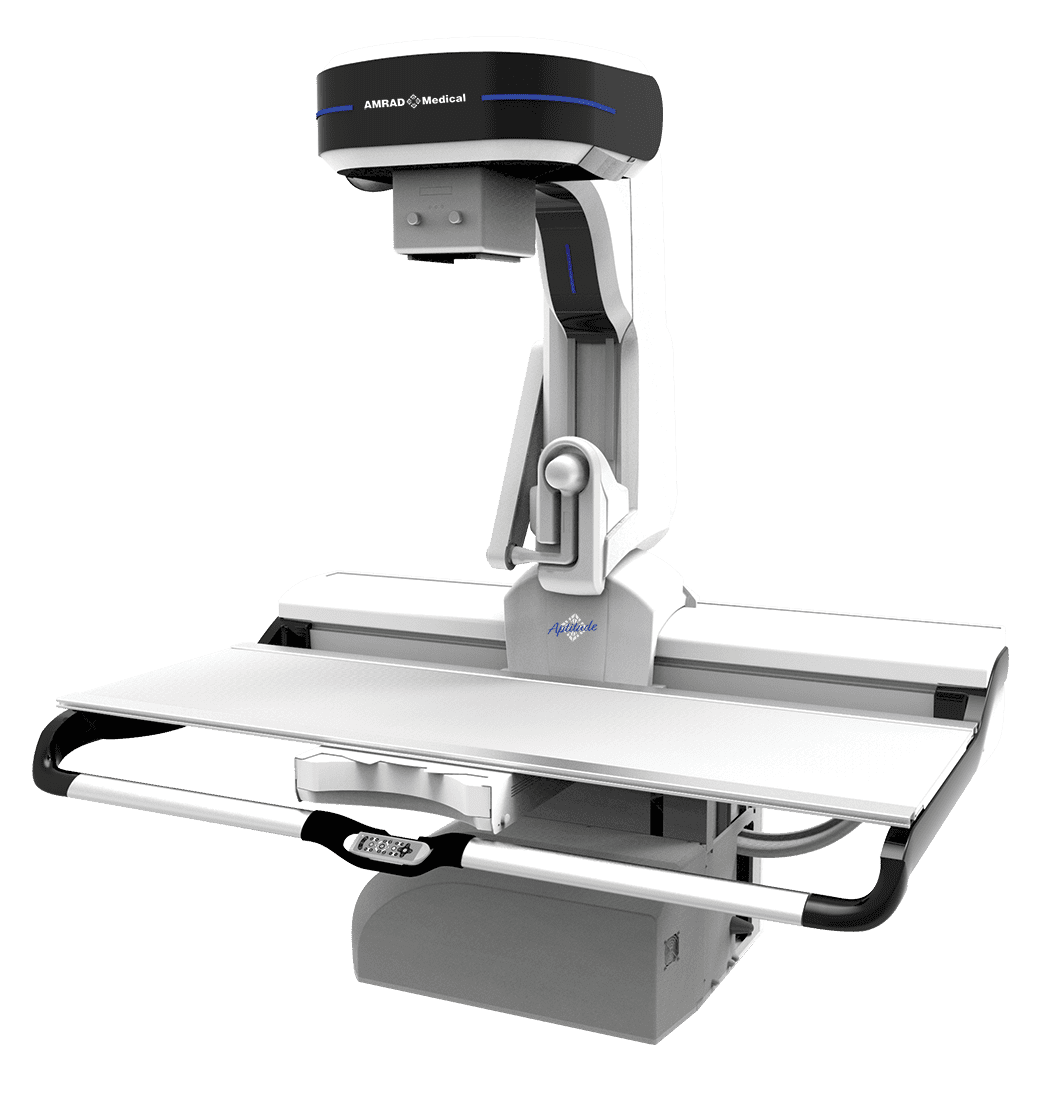
Practical considerations, risk points, and what to ask before you buy, service, move, or maintain imaging equipment.
If you are looking at X-ray equipment for sale, the right choice is not automatically new, used, or refurbished. It depends on your exam volume, room, budget, service plan, detector needs, and how much risk you can tolerate. New systems offer the cleanest lifecycle and warranty path. Used systems can save capital but need careful inspection. Refurbished X-ray equipment is often the practical middle ground when you want reliable performance, known configuration, and support without paying new-system pricing.
The mistake is shopping by price alone. A cheap X-ray room can become expensive fast if the generator is weak, the detector is unsupported, parts are scarce, or the site is not ready.
What counts as X-ray equipment?
“X-ray equipment” is a broad category. A clinic asking for an X-ray system may mean a full fixed radiography room. An orthopedic practice may need a DR panel and generator upgrade. A surgery center may be comparing C-arms. A hospital may be replacing an R&F room or adding mobile radiography coverage.
For buying purposes, separate the project into buckets: fixed radiography rooms, DR upgrades, R&F systems, mobile X-ray, C-arms, and DEXA. Each category has different site requirements, software needs, detector considerations, and service expectations. “We need X-ray” is a starting point. “We need a fixed DR room for 40 outpatient orthopedic studies per day” is a scope.
New X-ray equipment: clean lifecycle, higher capital cost
New X-ray equipment makes sense when your facility wants the latest detector package, a full OEM warranty path, standardized fleet management, or a long expected service life from day one. New systems are usually the easiest to specify cleanly because the OEM or distributor can quote a complete package: room, generator, tube stand, table, wall bucky, detector, console, software, install, training, and support.
New is usually right when uptime, standardization, and manufacturer support matter more than lowest acquisition cost. But new equipment ties up more capital, lead times can vary, and some facilities pay for features they do not need. When the clinical workflow is straightforward and budget discipline matters, used or refurbished options deserve a serious look.
Used X-ray equipment: lowest price, highest due diligence
Used X-ray equipment is equipment being resold as-is or close to as-is. It may be fully functional. It may also have unknown service history, aging detectors, worn mechanical components, software limitations, or parts that are becoming harder to source. The price can look attractive because the seller is not necessarily doing the work required to qualify the system for your site and workflow.
That does not make used equipment bad. It just means the buyer needs a tighter process.
Before buying used X-ray equipment, ask for manufacturer, model, serial number, year, operating status, service records, detector condition, generator capacity, tube condition, powered-on photos or video, included accessories, deinstallation scope, freight scope, and parts availability. A system still installed and inspected under power is less risky than equipment sitting in storage with missing accessories. The more unknowns, the more you should budget for service, parts, and possible delays.
For a broader due-diligence framework, read Questions to Ask Before Buying Refurbished Imaging Equipment. The same discipline applies to X-ray.
Refurbished X-ray equipment: the practical middle ground
Refurbished X-ray equipment should be more than a used system with fresh paint. A proper refurbishment process confirms what the system is, what condition it is in, what components need replacement, what software and detector package are included, and whether the system can be supported after installation.
For X-ray, the most important refurbishment questions usually involve:
- Detector condition and support. DR panels are central to image quality and workflow. Confirm model, age, warranty path, calibration, and replacement availability.
- Generator and tube condition. The generator must match the clinical workload, and the tube should be inspected for wear, output stability, and suitability for the intended exams.
- Mechanical movement. Tables, wall stands, tube cranes, locks, brakes, and positioning hardware should move smoothly and safely.
- Software and workstation status. Confirm licensing, image processing software, DICOM connectivity, modality worklist compatibility, and export workflow.
- Cosmetic and safety condition. Covers, cables, hand switches, exposure controls, labels, and shielding-related components should be inspected.
- Installation readiness. The system has to match the room, power, workflow, and local registration process.
Refurbished can be the right choice for outpatient imaging, urgent care, orthopedics, chiropractic, veterinary-adjacent medical buyers, surgery centers, and smaller hospitals that need reliable X-ray capacity without new-system cost. The key is buying from a vendor that also understands parts, service, and installation — not just resale.
MIS approaches refurbished equipment as part of a full project: sourcing, inspection, logistics, install planning, parts, and service support. ## What should drive the decision?
Start with the work the room has to do.
A high-volume orthopedic practice may care about fast DR workflow, long-leg capability, and PACS transfer. An urgent care may need compact layout and predictable service. A hospital replacement may care about uptime and matching department standards. Use this checklist before comparing quotes:
- Clinical use: general radiography, ortho, chest, extremity, fluoro, mobile, surgical, or bone density?
- Daily volume: occasional use, steady outpatient work, or hospital-level throughput?
- Room constraints: dimensions, ceiling height, electrical service, shielding status, patient access, and control area.
- Digital workflow: DR panel, DICOM send, modality worklist, PACS/RIS integration, and technologist workflow.
- Service model: OEM, ISO, time-and-materials, PM agreement, or full service contract.
- Parts availability: detector, tube, generator boards, workstation, cables, hand switch, collimator, and mechanical parts.
- Project scope: purchase only, turnkey install, lease, relocation, trade-in, or service agreement.
If you need flexibility instead of ownership, review equipment leasing. Leasing can make sense when the goal is preserving capital, matching payment to volume, or bundling equipment, service, parts, and support into one operating plan.
Common buying mistakes
The biggest mistake is treating X-ray like a commodity. Two systems with the same broad label can perform very differently once installed.
Common problems include:
- Buying a system before confirming room fit and electrical requirements.
- Assuming any DR panel will work with any generator or software package.
- Forgetting to include deinstallation, freight, rigging, installation, and applications support in the budget.
- Buying from a seller who cannot support the system after delivery.
- Ignoring parts availability on older platforms.
- Underestimating PACS/DICOM workflow setup.
- Treating local registration, radiation survey, and site requirements as afterthoughts.
Some requirements depend on state rules, facility type, and project scope, so use this checklist to ask better questions — not as engineering, physicist, or regulatory approval.
If parts support is already a concern, see How Parts Availability Affects Refurbished Imaging Equipment. If you are comparing vendor quality, How to Choose a Refurbished Medical Imaging Equipment Vendor is the next read.
What MIS needs before quoting X-ray equipment
A good quote starts with a clean scope. Send MIS the modality, clinical use, preferred system type, facility location, room details, timeline, and whether you want purchase, lease, service, parts, installation, or a combined project.
Helpful details include room photos, existing equipment model, desired DR workflow, PACS/RIS requirements, daily volume, and known constraints around power, shielding, access, or budget. That information lets MIS recommend the right path: new, used, refurbished, lease, service support, or parts-first repair.
Planning an X-ray purchase or upgrade? Start with the X-ray equipment page, request a scoped equipment quote, or talk to MIS about service and support and medical imaging parts before you commit to a system.
FAQ
Is refurbished X-ray equipment reliable?
It can be, if the system is properly inspected, configured, installed, and supported. Reliability depends on the detector, generator, tube, mechanical condition, software, service history, and availability of replacement parts.
Is used X-ray equipment the same as refurbished?
No. Used usually means pre-owned equipment being resold. Refurbished should mean the system has been inspected, repaired or reconditioned where needed, tested, cleaned, documented, and prepared for installation.
Should a clinic buy new or refurbished X-ray equipment?
New is best when lifecycle standardization and OEM warranty are the priority. Refurbished is often better when the clinic needs capable imaging equipment at a lower capital cost with practical service support.
What information should I send before requesting an X-ray quote?
Send the clinical use, desired system type, location, timeline, room dimensions, existing equipment details if replacing, photos of the site, digital workflow needs, and whether you want purchase, lease, install, service, or parts support.
Can X-ray equipment be leased instead of purchased?
Often, yes. Lease structure depends on the system, term, credit approval, service scope, and project details. Leasing can help preserve capital and align equipment cost with expected utilization.
Schema recommendation
Use Article or BlogPosting schema for the post, plus FAQPage schema for the FAQ section. If this content is later tied to a live X-ray inventory listing with verified model availability and specifications, add Product schema on that listing page rather than this general buyer guide.
Need help with this exact problem?
Send the modality, site location, timeline, and any system details. MIS will route the request by intent.
Related resources
Ops Playbook
PET/CT Scanner Site Requirements Before You Buy
Before buying a PET/CT scanner, review room layout, shielding, power, HVAC, rigging, workflow, connectivity, service access, and replacement timing.
Ops Playbook
X-Ray Equipment Lifespan, Maintenance, and Cost Factors
X-ray equipment lifespan depends on tube, detector, generator, software, PM history, parts access, uptime needs, and replacement timing.
Ops Playbook
Can I Replace Medical Imaging Equipment Parts Myself?
Some imaging parts can be swapped by trained staff, but CT, MRI, PET/CT, and X-ray repairs often need qualified service support.